Is Breast Cancer Curable with Treatment? Understanding Your Prognosis and Next Steps
Dr. Vijay Anand Reddy
Oncologist
Introduction
When facing a breast cancer diagnosis, one of the first questions that comes to mind is: ""Can breast cancer be cured?"" The answer is nuanced but fundamentally hopeful. Modern medical advances have significantly improved survival rates and treatment outcomes, making breast cancer increasingly manageable and, in many cases, curable—especially when detected early.
In this comprehensive guide, we'll explore the curability of breast cancer, factors affecting prognosis, current treatment options, and important next steps you should consider with your healthcare team.
Understanding Breast Cancer Curability
Yes, breast cancer can be cured, but success depends on several critical factors:
- Stage at Diagnosis: Early-stage cancers (Stage 0, 1, and 2) have significantly higher cure rates
- Hormone Receptor Status: ER/PR positive cancers often respond better to hormonal therapies
- HER2 Status: HER2 positive cases can benefit from targeted biologic therapies
- Grade and Type: Lower-grade cancers generally have better prognosis
- Patient Health: Overall health and age influence treatment tolerance and outcomes
According to recent data from the American Cancer Society, the 5-year survival rate for all stages of breast cancer combined is approximately 91%, with stage 1 breast cancer having survival rates exceeding 99%.
Factors Affecting Breast Cancer Prognosis
Several interconnected factors determine whether breast cancer can be cured:
- Stage and Size
Breast cancer staging (0-IV) is the most critical prognostic factor. Smaller tumors confined to the breast have substantially better outcomes than those that have spread to lymph nodes or distant organs. - Histological Type
Common types like invasive ductal carcinoma and invasive lobular carcinoma may have different prognosis compared to rare types like inflammatory breast cancer. - Tumor Grade
Grading (1-3) indicates how aggressive the cancer cells appear. Lower-grade tumors typically grow more slowly. - Molecular Subtype
Breast cancers are classified as:
- Luminal A (ER/PR positive, HER2 negative)
- Luminal B (ER/PR positive, HER2 positive or high Ki-67)
- HER2-positive (Overexpresses HER2)
- Triple-negative (No ER, PR, or HER2 expression)
Each subtype requires different treatment approaches and has distinct prognosis.
- Age and Overall Health
Younger patients often tolerate aggressive treatments better, while comorbidities can affect treatment options and outcomes. - Genetic Factors
BRCA1/BRCA2 mutations, family history, and other genetic markers can influence risk and recurrence rates.
Current Treatment Options for Curable Breast Cancer
The multidisciplinary approach to breast cancer combines multiple treatment modalities:
Surgery
- Breast-conserving therapy (lumpectomy)
- Total mastectomy with reconstruction options
- Sentinel lymph node biopsy to assess spread
Radiation Therapy
- Post-surgical radiation to reduce recurrence
- Accelerated partial breast irradiation (APBI)
- 3D conformal or intensity-modulated radiation therapy (IMRT)
Chemotherapy
- Neoadjuvant chemotherapy (before surgery)
- Adjuvant chemotherapy (after surgery)
- Standard regimens like AC-T or paclitaxel-based therapy
Hormonal Therapy
- Tamoxifen (blocks estrogen receptors)
- Aromatase inhibitors (for postmenopausal women)
- Fulvestrant and CDK4/6 inhibitors
- Duration typically 5-10 years
Targeted Therapy
- Trastuzumab (Herceptin) for HER2-positive cancers
- Pertuzumab and T-DM1 for advanced HER2-positive disease
- CDK4/6 inhibitors for advanced luminal cancers
Immunotherapy
- PD-L1 inhibitors like atezolizumab and pembrolizumab
- Increasingly used for triple-negative breast cancer
- CAR-T cell therapy in investigational settings
Combination Approaches
Most curable cancers benefit from multimodal therapy combining surgery, radiation, and systemic therapy based on individual tumor characteristics.
Stage-Specific Curability Rates
Stage I: Approximately 99% 5-year survival rate
Stage IIA: Approximately 93% 5-year survival rate
Stage IIB: Approximately 85-90% 5-year survival rate
Stage IIIA: Approximately 72% 5-year survival rate
Stage IIIB: Approximately 41-52% 5-year survival rate
Stage IV: Approximately 27% 5-year survival rate (chronic disease, but often manageable)
Note: These are population averages; individual outcomes vary significantly based on tumor biology and treatment response.
Key Steps After Diagnosis
- Seek Specialist Evaluation
Consult with a surgical oncologist, medical oncologist, and radiation oncologist for comprehensive assessment. - Complete Staging Workup
- Core needle or excisional biopsy for diagnosis
- Imaging (mammography, ultrasound, MRI)
- Systemic staging with CT chest/abdomen and bone scan or PET-CT if indicated
- Molecular Testing
Ensure testing for ER/PR, HER2, Ki-67, and gene expression profiling (Oncotype DX, MammaPrint). - Develop Treatment Plan
Work with your team to create a personalized plan addressing your specific tumor type and stage. - Participate in Clinical Trials
Discuss trial eligibility—newer therapies may offer additional benefits. - Establish Supportive Care
- Oncologic rehabilitation
- Mental health support
- Nutritional counseling
- Support groups
- Plan Follow-up Surveillance
Regular clinical exams, imaging as recommended, and long-term monitoring for recurrence or late effects.
Living with and Beyond Breast Cancer
Many breast cancer survivors live long, healthy lives after treatment. Quality of life considerations include:
- Managing treatment side effects
- Hormonal and sexual health
- Lymphedema management
- Bone health, especially with hormone therapy
- Cardiovascular health monitoring
- Fatigue management
- Psychosocial adjustment
Frequently Asked Questions
Q: Is breast cancer always curable if caught early?
A: Early detection dramatically improves cure rates (Stage 1 has 99% 5-year survival). However, individual factors matter—molecular subtype, grade, and patient-specific factors influence outcomes.
Q: Can metastatic breast cancer be cured?
A: Stage IV breast cancer is generally considered incurable but increasingly treatable as a chronic disease. Some patients with oligometastatic disease may achieve long-term remission with aggressive local and systemic therapy.
Q: How long before I'm considered ""cured""?
A: Most oncologists consider 5 years without recurrence a significant milestone. However, late recurrences can occur, particularly with certain subtypes. Some consider 10 years recurrence-free as ""cured.""
Q: Will I need treatment after my surgery?
A: Additional therapy depends on stage, grade, and molecular subtype. Many stages require chemotherapy, radiation, and/or hormonal therapy to optimize cure rates.
Q: What's my individual prognosis?
A: Your oncology team uses nomograms, gene expression profiles, and clinical algorithms to predict your specific prognosis and guide treatment recommendations.
Conclusion
Breast cancer is increasingly curable, especially with early detection and appropriate treatment. Survival rates continue to improve with advances in targeted therapies, immunotherapy, and personalized medicine approaches. If you've been diagnosed with breast cancer, working closely with a multidisciplinary team, undergoing comprehensive staging and molecular testing, and participating actively in treatment decisions significantly improves outcomes.
Your prognosis is individual—don't rely solely on population statistics. Discuss your specific situation, treatment options, and long-term outlook with your healthcare team. Many resources, support systems, and emerging therapies are available to optimize both cure rates and quality of life.
Remember: A breast cancer diagnosis is serious but not necessarily a death sentence. Thousands of women are diagnosed and successfully treated annually, going on to live fulfilling lives post-treatment.
Call to Action
If you have questions about your specific breast cancer diagnosis, prognosis, or treatment options, schedule a consultation with Dr. Vijay Anand Reddy, an experienced oncology specialist. Early intervention and expert guidance can make a significant difference in your treatment journey and long-term outcomes.
Dr. Vijay Anand Reddy
Dr. Vijay Anand Reddy is a renowned oncologist with over 34 years of experience in cancer treatment. He is committed to providing world-class cancer care and spreading awareness about early detection and prevention.
View Full ProfileRelated Articles
Discover more insights about cancer awareness, treatment options, and patient stories.
Stomach Or Gastric Cancer

Liver Cancer: Symptoms, Signs, Causes & Treatment
The Evolution and Impact of Immunotherapy: Unlocking the Power of the Immune System
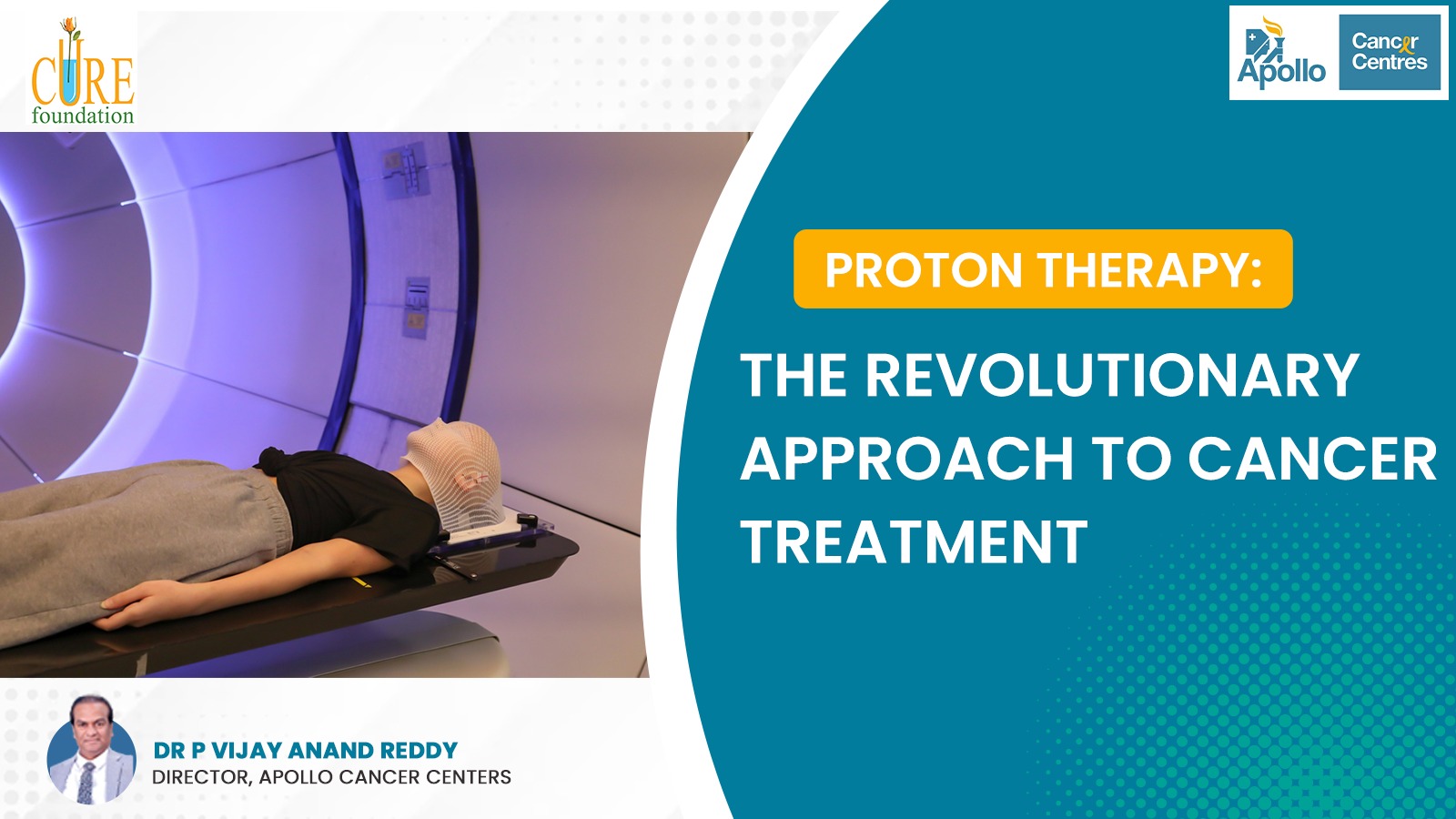
Proton Therapy: The Revolutionary Approach to Cancer Treatment
Colon Cancer Diet: Foods to Eat and What to Avoid