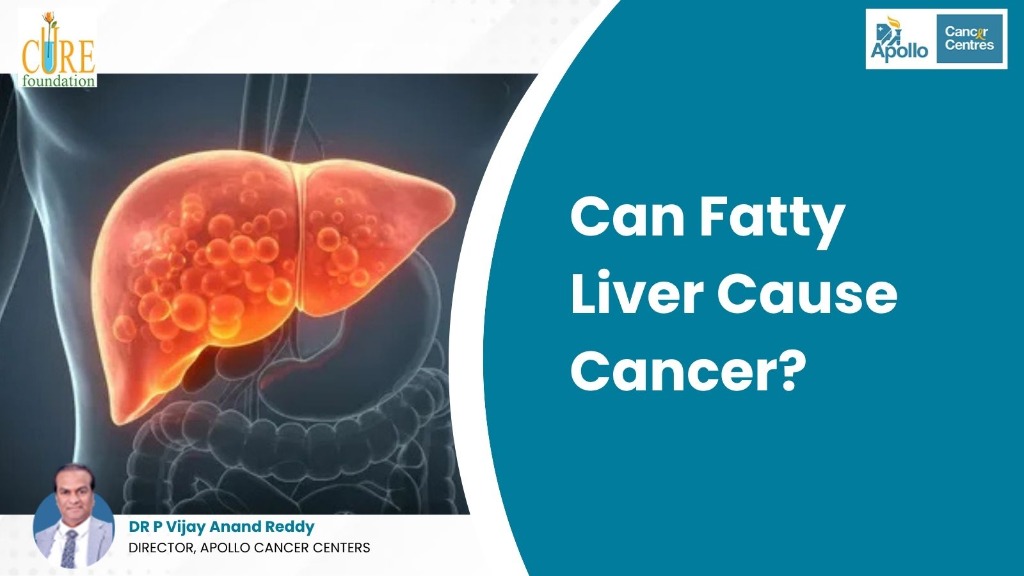
Can Fatty Liver Cause Cancer?
Dr. Vijay Anand Reddy
Oncologist
No, many people do not realize how closely linked liver health is to metabolic wellness. When diagnosed with a fatty liver, the initial reaction is often to dismiss it as a minor issue or a common side effect of modern lifestyles. However, a critical question that every patient should ask is: can fatty liver cause cancer? The short and definitive medical answer is yes—if left unmanaged, fatty liver disease can progress through stages of chronic inflammation and scarring, eventually leading to liver cancer.
With the global rise in obesity, type 2 diabetes, and metabolic syndrome, fatty liver disease has become one of the most common liver conditions worldwide. It is no longer just a concern for those who consume excess alcohol. A form of the disease known as Non-Alcoholic Fatty Liver Disease (NAFLD)—now frequently termed Metabolic Dysfunction-Associated Steatotic Liver Disease (MASLD)—affects millions of people. Understanding how does fatty liver cause liver cancer is essential for taking early, preventative action to protect your health.
In this comprehensive guide, we will explore the biological pathways that connect liver fat to cancer, examine the warning signs of progression, discuss metabolic risk factors, and outline actionable ways to prevent and reverse the disease. For individuals facing advanced stages of liver disease or requiring specialized oncology care, consulting the Best Oncologist in Hyderabad is a crucial step to evaluate treatment options, including state-of-the-art Liver Cancer treatment in Hyderabad.
What is Fatty Liver Disease?
Fatty liver disease, scientifically known as steatotic liver disease, is a condition characterized by the accumulation of excess fat in the liver cells (hepatocytes). It is normal for the liver to contain a small amount of fat, but if fat makes up more than 5% to 10% of the liver's total weight, the condition is diagnosed as fatty liver disease.
There are two primary categories of fatty liver disease:
- Non-Alcoholic Fatty Liver Disease (NAFLD / MASLD): This form of the disease occurs in individuals who consume little to no alcohol. Instead, it is closely tied to metabolic conditions like obesity, insulin resistance, type 2 diabetes, high cholesterol, and high blood pressure.
- Alcoholic Fatty Liver Disease (AFLD): This type is directly caused by heavy alcohol consumption. The liver breaks down most of the alcohol consumed, but the metabolic process releases toxic byproducts that damage liver cells, promote inflammation, and lead to fat accumulation.
In both types, the initial stage of fat accumulation is known as simple steatosis. In this early phase, the fat itself does not cause significant damage or symptoms. However, the presence of excess fat makes the liver vulnerable to secondary injury, cellular stress, and progressive inflammation.
The Progression Pathway: How Fat Leads to Cancer
To understand why can fatty liver cause liver cancer, we must trace the progression of the disease. Liver cancer does not develop overnight. Instead, it is the culmination of a multi-stage process of chronic injury and repair that takes place over several decades:
- Simple Fatty Liver (Steatosis): Excess fat accumulates in the liver cells. This stage is usually silent, asymptomatic, and highly reversible with basic lifestyle changes.
- NASH or MASH (Steatohepatitis): In a significant percentage of patients, the fat accumulation triggers chronic inflammation and cellular ballooning (hepatocyte injury). This active inflammatory stage is called Non-Alcoholic Steatohepatitis (NASH) or Metabolic Dysfunction-Associated Steatohepatitis (MASH). The combination of fat and inflammation causes ongoing damage to liver tissues.
- Liver Fibrosis: As the liver suffers constant inflammatory damage, it attempts to heal itself by producing collagen and fibrous scar tissue. Over time, this scarring replaces healthy liver cells. The accumulation of scar tissue is known as fibrosis. While the liver can still function, its structure begins to stiffen.
- Cirrhosis: If the inflammation and fibrosis continue unchecked, the scarring becomes extensive, locking the liver in a permanent state of structural distortion. This advanced, irreversible stage is called cirrhosis. The liver becomes nodular, hard, and shrunken, severely restricting blood flow and compromising its ability to filter toxins, produce proteins, and manage metabolism.
- Liver Cancer (Hepatocellular Carcinoma - HCC): The chronic inflammation, cellular stress, and rapid cell division required to repair scarred tissue increase the risk of DNA mutations. In a cirrhotic liver, these mutations can cause abnormal cells to grow uncontrollably, forming tumors. Hepatocellular Carcinoma (HCC) is the most common form of primary liver cancer arising from this pathway.
The Link Between MASLD/NASH and Liver Cancer
Historically, chronic Hepatitis B and C infections, along with excessive alcohol use, were the primary drivers of liver cancer. However, widespread vaccination campaigns and highly effective antiviral treatments have reduced viral hepatitis cases. At the same time, metabolic disorders have surged. Today, NASH/MASH is the fastest-growing cause of liver cancer in the world.
Clinical studies show that patients with NASH-induced cirrhosis face an annual risk of developing liver cancer of about 1% to 2%. While that percentage may seem small, when multiplied across millions of affected individuals globally, it represents a substantial healthcare burden.
Crucially, medical research has highlighted a worrying trend: unlike viral hepatitis, fatty liver disease can fatty liver cause liver cancer even in patients who have not yet developed full-blown cirrhosis. Approximately 20% to 30% of NASH-related liver cancers occur in livers without cirrhosis. This suggests that the metabolic environment of a fatty liver—characterized by chronic insulin resistance, lipid toxicity, and systemic inflammatory cytokines—can directly stimulate DNA mutations and cancer growth independently of heavy scarring.
Risk Factors that Accelerate Liver Cancer Development
Not everyone with a fatty liver will progress to liver cancer. Certain risk factors significantly increase the likelihood that simple fat will turn into inflammation, cirrhosis, and malignancy:
- Obesity: Carrying excess body weight, particularly visceral abdominal fat, increases systemic inflammation and insulin resistance, driving fat accumulation and inflammation in the liver.
- Type 2 Diabetes: Insulin resistance causes the body to send excess free fatty acids to the liver. Diabetes is one of the strongest independent risk factors for the progression of NASH to cirrhosis and liver cancer.
- Metabolic Syndrome: A combination of high blood pressure, elevated blood sugar, excess abdominal fat, and abnormal cholesterol levels increases the risk of progressive liver damage.
- Age and Gender: Progressive liver disease and liver cancer are more common in males and in individuals over the age of 50.
- Genetics: Certain genetic variants, such as the PNPLA3 gene mutation, make individuals more susceptible to fat accumulation and progressive inflammation in the liver.
- Co-existing Liver Conditions: Patients with fatty liver who also consume alcohol, have chronic viral hepatitis, or are exposed to liver toxins (like aflatoxins) face an exponentially higher risk of liver cancer.
The Silent Warning Signs: When to Seek Medical Attention
Fatty liver disease is widely known as a "silent killer" because it rarely causes noticeable symptoms in its early and moderate stages. A patient can live for 20 years with fatty liver and progressive fibrosis without feeling sick. This makes regular screening and medical check-ups vital.
However, as the liver damage progresses toward cirrhosis or liver cancer, warning signs may begin to emerge. These include:
- Persistent, unexplained fatigue and physical weakness.
- A dull ache, pain, or fullness in the upper right side of the abdomen, where the liver is located.
- Unexplained weight loss and a sudden loss of appetite.
- Jaundice, which causes a yellowing of the skin and the whites of the eyes.
- Abdominal swelling (ascites) caused by fluid buildup, or swelling in the legs (edema).
- Easy bruising or bleeding, and spider-like blood vessels visible beneath the skin.
- Mental confusion, slurred speech, or changes in personality (hepatic encephalopathy) due to toxin accumulation in the blood.
If you experience any of these symptoms, especially if you have a history of fatty liver, obesity, or diabetes, you should seek immediate medical evaluation. Getting an accurate diagnosis and discovering the extent of liver damage is critical to planning effective treatment.
Diagnosis and Screening Methods
To detect fatty liver and assess the risk of progression or cancer, specialists employ several diagnostic tools:
- Blood Tests: Routine check-ups measure liver enzyme levels (AST and ALT). Elevated enzymes point to liver inflammation. Doctors also monitor blood sugar, lipid profiles, and specific tumor markers like Alpha-Fetoprotein (AFP) if cancer is suspected.
- Ultrasound: A standard abdominal ultrasound is the most common tool used to visualize fat in the liver.
- Fibroscan (Transient Elastography): This specialized, non-invasive ultrasound-based test measures liver stiffness. Stiffer tissue indicates the presence of fibrosis or cirrhosis.
- MRI or CT Scans: These advanced imaging scans provide highly detailed, cross-sectional views of the liver, helping to identify fatty deposits, evaluate scarring, and locate small tumors.
- Liver Biopsy: The gold standard for diagnosing NASH/MASH and staging fibrosis. A small needle extracts a tiny tissue sample, which is analyzed under a microscope to evaluate inflammation, cell damage, and scarring.
Reversing Fatty Liver: Prevention is the Best Defense
The most encouraging aspect of fatty liver disease is that in its early stages (steatosis and early NASH/MASH), it is completely reversible. Because there are currently very few approved pharmaceutical treatments specifically for fatty liver, lifestyle modification remains the cornerstone of prevention and management:
- Healthy Weight Loss: Losing 7% to 10% of your total body weight is often sufficient to reduce liver fat, resolve inflammation, and even improve early-stage fibrosis. Weight loss should be gradual, as rapid weight loss can sometimes worsen liver inflammation.
- Adopt a Balanced Diet: Reduce your intake of simple carbohydrates, refined sugars, trans fats, and high-fructose corn syrup (found in sodas and processed foods). Emphasize whole foods, lean proteins, vegetables, and healthy fats (such as olive oil, nuts, and fish), similar to the Mediterranean diet.
- Regular Physical Activity: Engage in at least 150 minutes of moderate-intensity exercise per week. Both cardiovascular exercises (brisk walking, swimming, cycling) and resistance training help reduce liver fat and improve insulin sensitivity, even without significant weight loss.
- Control Metabolic Conditions: Work closely with your doctor to manage type 2 diabetes, high blood pressure, and high cholesterol. Keeping blood sugar levels within a target range is vital for liver health.
- Avoid Alcohol Completely: If you have fatty liver, alcohol consumption adds unnecessary toxic stress to the liver, accelerating the progression toward cirrhosis and cancer.
- Avoid Self-Medication: The liver filters all drugs. Avoid taking unnecessary supplements, herbal remedies, or over-the-counter medications without medical advice, as they can cause drug-induced liver injury.
Clinical Treatment Pathways for Advanced Cases
If liver damage has progressed to cirrhosis or liver cancer, lifestyle modifications alone are no longer sufficient. Management transitions to advanced clinical care. For patients diagnosed with liver cancer, a multidisciplinary team of specialists design a personalized treatment plan based on the tumor size, number of nodules, and overall liver function.
Treatment options for liver cancer include:
- Surgical Resection (Hepatectomy): If the tumor is small and confined to a single portion of the liver, and the surrounding liver tissue is healthy (non-cirrhotic), surgeons can remove the tumor and a margin of healthy tissue.
- Liver Transplant: For patients with small tumors who also suffer from severe cirrhosis, a liver transplant offers the best chance of long-term cure. It removes both the cancer and the underlying diseased liver, replacing them with a healthy donor liver.
- Tumor Ablation: Minimally invasive treatments that destroy cancer cells using heat (radiofrequency ablation), cold (cryoablation), or alcohol injections. This is ideal for small tumors in patients who are not candidates for surgery.
- Embolization Therapies: Procedures that block the blood supply to the tumor or deliver chemotherapy directly to it (TACE - Transarterial Chemoembolization), starving the cancer cells of nutrients.
- Targeted Therapy and Immunotherapy: Advanced systemic drugs that target specific molecular pathways in cancer cells or boost the body's immune system to identify and destroy liver cancer cells.
Navigating these advanced therapies requires world-class clinical expertise. Consulting the Best Oncologist in Hyderabad ensures access to cutting-edge diagnostic tools, comprehensive staging, and personalized treatment strategies. Exploring comprehensive Liver Cancer treatment in Hyderabad provides patients with advanced surgical facilities, high-precision radiation oncology, and modern systemic therapies designed to maximize survival and maintain quality of life.
Conclusion
In summary, fatty liver is not a harmless condition to be ignored. Advanced fatty liver disease, particularly in the form of NASH/MASH, is a significant and rising risk factor for liver cancer. Fortunately, the early stages of fatty liver are completely reversible through healthy lifestyle choices, diet changes, regular exercise, and weight management. By understanding how fatty liver progresses, recognizing the metabolic risk factors, and undergoing routine health checks, you can protect your liver and prevent serious complications. If you or a loved one is dealing with advanced liver disease or requires cancer care, consult the Best Oncologist in Hyderabad to discuss advanced diagnostic screening and customized Liver Cancer treatment in Hyderabad.
Frequently Asked Questions
Can fatty liver turn into cancer?
What are the warning signs that fatty liver is getting worse?
Is fatty liver disease reversible?
How long does it take for fatty liver to cause liver cancer?
Does fatty liver increase the risk of other cancers?
How is liver cancer diagnosed?
Dr. Vijay Anand Reddy
Dr. Vijay Anand Reddy is a renowned oncologist with over 34 years of experience in cancer treatment. He is committed to providing world-class cancer care and spreading awareness about early detection and prevention.
View Full ProfileRelated Articles
Discover more insights about cancer awareness, treatment options, and patient stories.

Is Lung Cancer Contagious? {Complete Guide}

Does Chemotherapy lower Immune system?

How many Stages of Pancreatic Cancer are there?

Does Cancer treatment Affect Fertility?

Does Chemotherapy Work for Breast Cancer? {Real Facts}