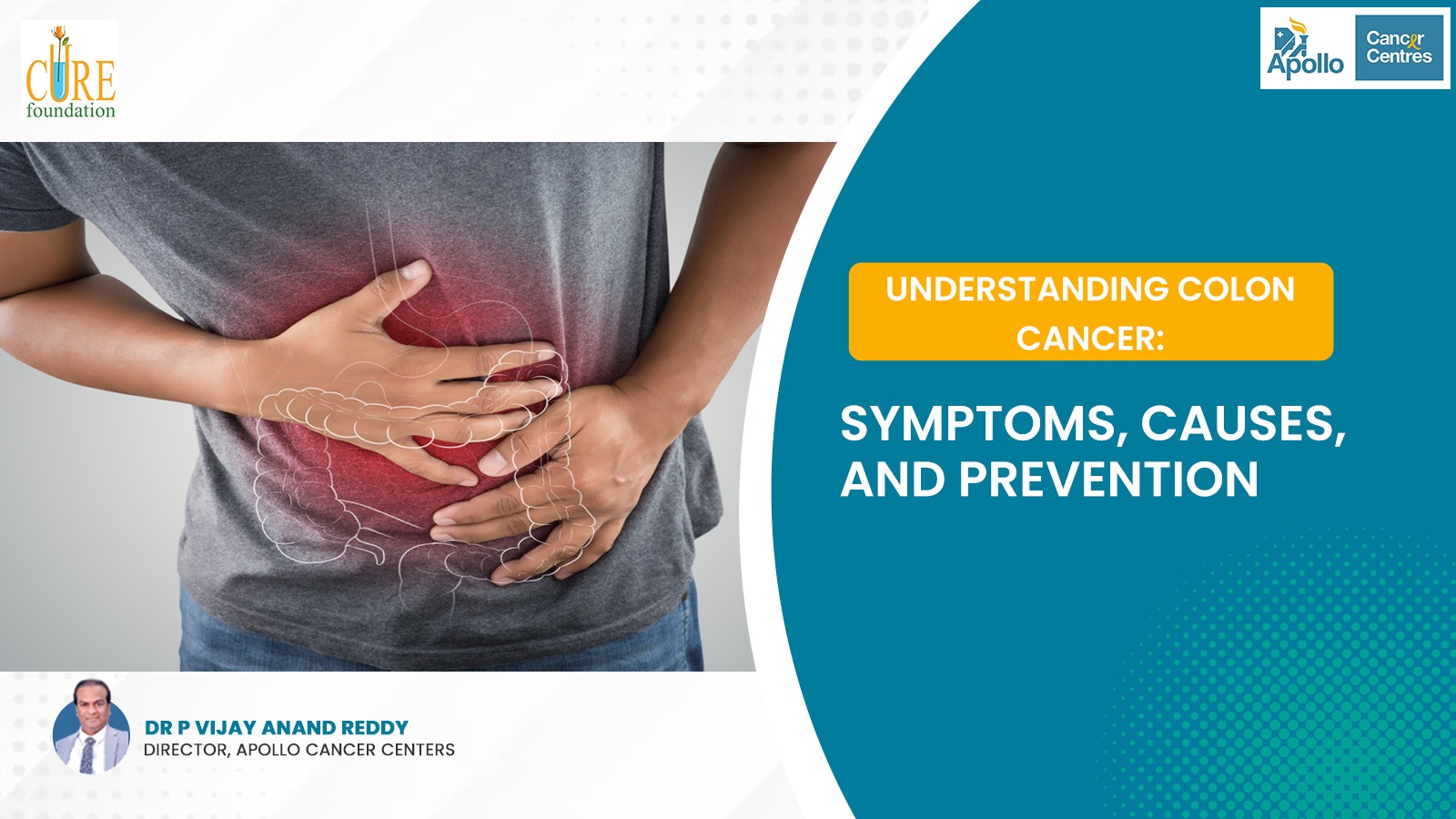
Understanding Colon Cancer: Symptoms, Causes, and Prevention
Dr. Vijay Anand Reddy
Oncologist
Colon cancer, a formidable health concern, remains a leading cause of mortality worldwide. Grasping its symptoms and causes is pivotal for early detection and prevention, which can dramatically improve outcomes.
The Onset of Colon Cancer: Recognizing the Symptoms
The initial symptoms of colon cancer can be insidious, often resembling less serious digestive issues. Vigilance for the following signs is crucial:
- Persistent Changes in Bowel Habits: This includes constipation, diarrhea, or changes in stool consistency that last longer than four weeks.
- Rectal Bleeding or Blood in Stool: While often attributed to hemorrhoids, any rectal bleeding warrants immediate medical attention.
- Abdominal Discomfort: Persistent cramps, gas, or pain may be early indicators.
- A Feeling That Your Bowel Doesn't Empty Completely: This sensation, known as tenesmus, can be a red flag.
- Weakness or Fatigue: Unexplained chronic fatigue can be a sign of various conditions, including colon cancer.
- Unintended Weight Loss: Losing weight without a change in diet or exercise habits should prompt a visit to the doctor.
Decoding the Causes: What Leads to Colon Cancer?
While the exact cause of colon cancer is not always clear, several factors increase the risk:
- Age: The majority of cases occur in individuals 50 years or older, though it can affect younger people.
- Personal Health History: Those with a history of polyps or inflammatory intestinal conditions are at higher risk.
- Family Health History: A family history of colon cancer significantly increases one's risk.
- Dietary Factors: Diets high in red meats and processed foods may increase the risk, while fiber-rich diets appear protective.
- Lifestyle Choices: Inactivity, obesity, smoking, and heavy alcohol use can contribute to the development of colon cancer.
Preventive Measures: Reducing Your Risk
Prevention begins with lifestyle modification and regular screening:
- Dietary Adjustments: Incorporate a variety of fruits, vegetables, and whole grains into your diet.
- Exercise Regularly: Aim for at least 30 minutes of moderate exercise on most days.
- Weight Management: Maintaining a healthy weight is essential in reducing cancer risk.
- Limit Alcohol and Quit Smoking: These changes can have a profound impact on your overall health.
- Routine Screenings: Colonoscopies can detect precancerous polyps, allowing for removal before they turn into cancer.
The Importance of Early Detection
Colon cancer, when identified early, is often highly treatable. Screening methods, such as colonoscopies, are invaluable tools in the early detection and prevention of colon cancer.
Advancements in Treatment Options
Treatment of colon cancer has advanced significantly, offering hope and improved prognoses for many. Options include surgery, chemotherapy, radiation therapy, and targeted drug therapies, tailored to individual needs and stages of cancer.
Conclusion:
We underscore the imperative to be proactive about colon health. With comprehensive knowledge of symptoms, causes, and preventive strategies, individuals can play an active role in mitigating their risk of colon cancer. Under the guidance of esteemed oncologists like Dr. Vijay Anand Reddy of Apollo Cancer Centre Hyderabad, patients have access to expert care and advice. Empowered with awareness and medical advancements, we stand stronger in the face of colon cancer, with early detection and prevention as our foremost weapons.
Frequently Asked Questions
What is colon cancer?
How can colon cancer be prevented?
What are the common symptoms of colon cancer?
What is a colonoscopy?
How is colon cancer treated?
Is colon cancer hereditary?
Dr. Vijay Anand Reddy
Dr. Vijay Anand Reddy is a renowned oncologist with over 34 years of experience in cancer treatment. He is committed to providing world-class cancer care and spreading awareness about early detection and prevention.
View Full ProfileRelated Articles
Discover more insights about cancer awareness, treatment options, and patient stories.

Does Chemotherapy lower Immune system?

How many Stages of Pancreatic Cancer are there?

Does Cancer treatment Affect Fertility?

Does Chemotherapy Work for Breast Cancer? {Real Facts}
How to Cure Throat Cancer at Home?