
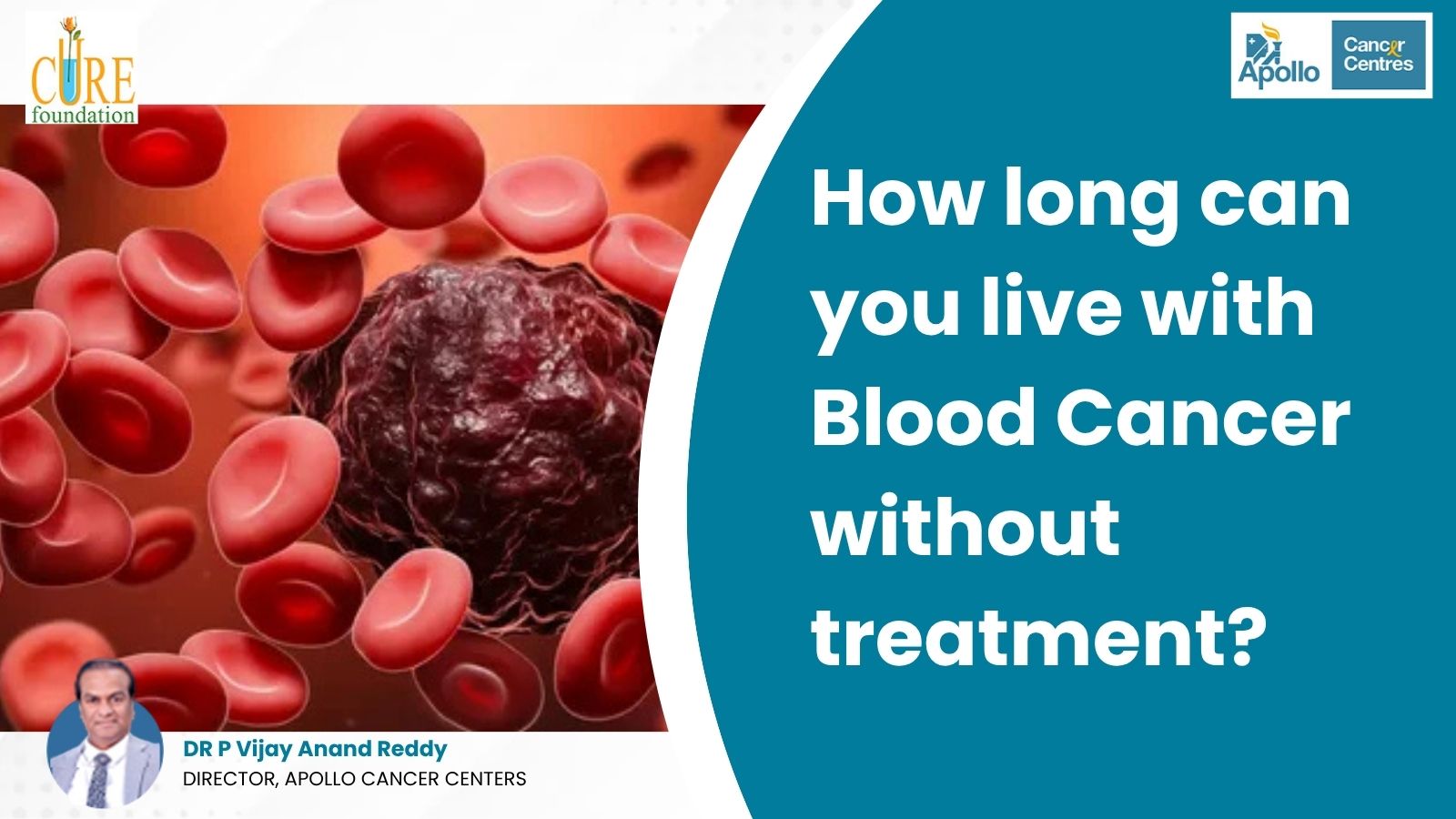
How Long Can You Live with Blood Cancer Without Treatment?
Dr. Vijay Anand Reddy
Oncologist
Introduction
Receiving a diagnosis of blood cancer is a life-altering moment, bringing an overwhelming wave of questions, emotions, and decisions. Among the most immediate and profound concerns that patients and their families face is: how long can you live with blood cancer without treatment? To answer this query accurately, it is essential to first understand that blood cancer is not a single, uniform disease. Rather, it represents a diverse family of malignancies that affect the production, function, and behavior of blood cells in the human body. The clinical progression of the disease varies dramatically depending on its specific type, genetic subtype, and the patient’s age and overall health. Under the guidance of leading oncologists such as Dr. Vijay Anand Reddy, patients are provided with specialized diagnostics and clear explanations that help demystify their condition and outline the modern pathways available to manage it.
For anyone asking how long can you live with blood cancer, the response is highly dependent on whether the cancer is acute or chronic. Blood cancers primarily begin in the bone marrow, where blood is produced. They occur when abnormal blood cells grow out of control, interrupting the function of normal blood cells, which fight infections and produce new blood cells. If left untreated, the clinical course can range from extremely rapid and life-threatening (within a few weeks) to slow-moving and asymptomatic for years. Understanding these differences is crucial for patients and their families as they weigh the consequences of going without medical intervention.
Understanding the Main Types of Blood Cancer
To comprehend the potential outcome of leaving blood cancer untreated, one must understand how blood cancers are classified. These cancers originate in the bone marrow—the soft, spongy center of the bones where blood cells are created. The primary types of blood cancers include:
- Leukemia: This cancer affects the white blood cells, which are responsible for fighting infections. In patients with leukemia, the bone marrow produces an excessive number of abnormal, non-functional white blood cells. Leukemia is broadly categorized into acute (fast-growing) and chronic (slow-growing).
- Lymphoma: This malignancy attacks the lymphatic system, a vital network of vessels and nodes that filters waste and supports the body’s immune defense. Lymphoma is divided into Hodgkin Lymphoma and Non-Hodgkin Lymphoma, each having numerous subtypes.
- Multiple Myeloma: This cancer develops in the plasma cells, a type of white blood cell that manufactures antibodies to fight diseases. Multiple myeloma causes abnormal plasma cells to accumulate in the bone marrow, crowding out healthy blood cells and damaging the surrounding bones.
The natural history of these conditions differs widely. In some cases, the disease progresses with alarming speed, while in others, it moves so slowly that patients can live for years without experiencing any symptoms.
How Long Can You Live with Blood Cancer Without Treatment?
For patients who choose not to pursue standard medical treatment, the prognosis depends entirely on the type and aggressiveness of the specific blood cancer:
1. Acute Leukemias (AML and ALL)
Acute Myeloid Leukemia (AML) and Acute Lymphoblastic Leukemia (ALL) are characterized by the rapid accumulation of immature blood cells, known as blast cells, in the bone marrow and bloodstream. These abnormal cells multiply at an exponential rate, leaving no room for healthy red blood cells, white blood cells, and platelets to develop.
Without immediate intervention, the answer to how long can you live with blood cancer without treatment is measured in weeks or, at most, a few months. The rapid depletion of normal blood cells leads to severe, life-threatening complications, including uncontrolled internal bleeding, profound anemia, and devastating infections that the body has no capacity to fight. Because of this, acute leukemia is treated as a medical emergency requiring hospitalization and immediate therapy. In these situations, questioning blood cancer how long can you live with highlights the immediate need for emergency medical care.
2. Chronic Leukemias (CLL and CML)
Chronic leukemias develop far more slowly than their acute counterparts. Chronic Lymphocytic Leukemia (CLL) is the most common form of leukemia in adults and is often diagnosed incidentally during routine blood checks.
For chronic forms, the timeline for survival is significantly longer. Many patients with CLL are older and can live for five, ten, or even fifteen years without active treatment. In fact, standard medical practice for early-stage CLL is often active surveillance or a "watch and wait" approach, where no treatment is given until the disease shows signs of progression. Chronic Myeloid Leukemia (CML), however, is different. If left untreated, CML will remain in a chronic phase for three to five years, but it will eventually transition into an accelerated phase and a terminal "blast crisis" phase, which behaves like acute leukemia and leads to death within months.
3. Lymphomas (Hodgkin and Non-Hodgkin)
The timeline for untreated lymphoma depends on whether the tumor is indolent (slow-growing) or aggressive.
- Indolent Lymphomas: Slow-growing non-Hodgkin lymphomas, such as follicular lymphoma, may remain stable for years. A patient can live with an untreated indolent lymphoma for five to ten years or even longer, with the disease progressing very gradually.
- Aggressive Lymphomas: Fast-growing lymphomas, such as Diffuse Large B-Cell Lymphoma (DLBCL) or Burkitt lymphoma, expand rapidly. If left untreated, they can cause organ failure and death within a few months. Hodgkin Lymphoma is another condition that progresses steadily and, if left untreated, is typically fatal within one to two years, despite being highly curable with modern therapies.
4. Multiple Myeloma
Multiple myeloma is a progressive disease that damages the bones, kidneys, and immune system. If left untreated, myeloma cells continue to multiply in the bone marrow, releasing proteins that cause kidney failure and destroying bone tissue, leading to severe bone pain and fractures.
Without treatment, patients with active multiple myeloma typically survive for a few months to two years. Survival is heavily shortened by severe infections, renal failure, or stroke-like complications from high calcium levels in the blood.
Why Do Some Patients Refuse or Delay Treatment?
It is natural to wonder why a patient would decide to go without medical care when facing a serious diagnosis. Understanding these motivations is important for providing empathetic support:
- Fear of Therapy Side Effects: The reputation of traditional cancer treatments, especially chemotherapy, can be intimidating. Concerns about hair loss, severe nausea, extreme fatigue, and immune suppression lead some patients to reject treatment.
- Advanced Age and Frailty: Older adults or patients who already suffer from multiple chronic conditions may feel that aggressive cancer treatments will diminish their remaining quality of life rather than improve it.
- Financial Barriers: The cost of oncological care is high. In many cases, patients worry about placing a financial burden on their families, leading them to delay seeking the medical help they need.
- Misunderstanding the Disease: Some patients feel perfectly healthy during the early stages of chronic blood cancers and choose to ignore the diagnosis, believing that treatment is unnecessary because they lack physical symptoms.
- Reliance on Alternative Medicine: Misinformation often drives patients to seek unproven alternative therapies, such as special diets or herbal supplements, in the hope of avoiding conventional medical treatments.
The Severe Risks and Complications of Untreated Blood Cancer
Choosing to leave a blood cancer untreated exposes the body to a progressive breakdown of basic biological systems. The primary complications that arise from untreated blood cancers include:
- Severe Anemia: A lack of healthy red blood cells reduces the oxygen-carrying capacity of the blood. This results in debilitating fatigue, shortness of breath, dizziness, and puts a heavy strain on the heart, potentially leading to heart failure.
- Life-Threatening Infections: White blood cells are the body’s primary defense against bacteria, viruses, and fungi. Without functional white blood cells, even a minor cut or a common cold can progress into severe pneumonia or sepsis (bloodstream infection), which is a major cause of death in untreated patients.
- Severe Bleeding Emergencies: Platelets are responsible for blood clotting. When blood cancer crowds out platelets, patients experience frequent nosebleeds, bleeding gums, easy bruising, and are at high risk for life-threatening internal bleeding, including brain hemorrhages.
- Bone Destruction and Pain: Particularly in multiple myeloma, cancer cells secrete chemicals that activate cells that break down bone. This leads to osteoporosis, severe bone pain, and pathological fractures from minor movements.
- Kidney Failure: Excess proteins produced by myeloma cells, or high calcium levels caused by bone destruction, can clog and damage the kidneys, eventually requiring dialysis.
Living with Blood Cancer: The Transformative Role of Modern Medicine
For those who are diagnosed, living with blood cancer does not have to be a journey of fear. The landscape of hematological oncology has undergone a revolution over the past two decades. Today, blood cancers that were once considered fatal can be cured or managed as chronic, manageable conditions.
Rather than going untreated out of fear, patients have access to a wide range of highly effective therapies:
- Targeted Therapy: These drugs identify and attack specific genetic mutations within cancer cells without harming healthy tissues, resulting in fewer side effects than traditional chemotherapy.
- Immunotherapy: This approach trains the patient's own immune system to identify, track, and destroy blood cancer cells.
- Stem Cell Transplants: Also known as bone marrow transplants, this procedure replaces diseased bone marrow with healthy stem cells, offering a potential cure for many aggressive blood cancers.
- Active Surveillance: For slow-growing chronic conditions, a clinical watch and wait program allows patients to live a normal life without undergoing immediate therapy, while remaining under close medical supervision.
Chances of Living with Blood Cancer (Prognosis)
When looking at the chances of living with blood cancer, the statistical outlook has improved dramatically. The five-year survival rate for Hodgkin Lymphoma is now over 85%, and pediatric leukemia has cure rates exceeding 90% in modern medical facilities.
These high survival rates, however, are entirely dependent on receiving prompt and accurate medical care. For aggressive leukemias and lymphomas, the chance of long-term survival without treatment is close to zero. Conversely, with timely intervention, patients can enjoy decades of high-quality life. Choosing to consult an oncology specialist ensures that you are matched with the most effective, least invasive therapy plan for your specific diagnosis.
Why Consulting a Specialist is Crucial
If you or a loved one is dealing with a suspected blood disorder or a new cancer diagnosis, finding the right medical expert is paramount. Consulting a dedicated Cancer Doctor in Hyderabad ensures that you receive a precise diagnosis through molecular and genetic testing. An expert oncologist can distinguish between indolent and aggressive diseases, saving you from unnecessary treatments while ensuring that urgent cases receive prompt care.
Furthermore, specialized cancer centers provide access to support networks, clinical trials, and dedicated financial counseling teams that help manage the costs of treatment, ensuring that patients can focus entirely on their recovery and well-being.
Conclusion
In conclusion, the answer to how long you can live with blood cancer without treatment is highly variable. While patients with slow-growing, chronic leukemias or indolent lymphomas can live for years or even decades without active intervention, those with acute leukemias or aggressive lymphomas face severe risks and a prognosis of only a few weeks to months without medical care. Leaving blood cancer untreated is a path fraught with severe complications, from bone damage to life-threatening infections and bleeding. Modern medicine offers highly personalized, targeted, and gentle treatments that have turned once-fatal diagnoses into curable or long-term manageable conditions. If you are facing a blood cancer diagnosis, seek guidance from a qualified specialist to explore your options and choose a path toward healing and recovery.
Frequently Asked Questions
What is the main cause of blood cancer?
Can blood cancer be cured if detected early?
What is the most aggressive type of blood cancer?
Is the "watch and wait" approach considered going without treatment?
Can lifestyle changes or alternative therapies cure blood cancer?
Dr. Vijay Anand Reddy
Dr. Vijay Anand Reddy is a renowned oncologist with over 34 years of experience in cancer treatment. He is committed to providing world-class cancer care and spreading awareness about early detection and prevention.
View Full ProfileRelated Articles
Discover more insights about cancer awareness, treatment options, and patient stories.

How Long Can You Live with Blood Cancer Without Treatment?

Does Health Insurance Cover Cancer Treatment? {Key Facts}

Can Fatty Liver Cause Cancer?

Is Lung Cancer Contagious? {Complete Guide}

Does Chemotherapy lower Immune system?
